Chemical Formula and Name Origin
The chemical formula of barite is BaSO₄. Its name comes from the Greek word barys, meaning “heavy,” reflecting its unusually high density of 4.3–4.7 g/cm³.
Discovery and History
Barite was first discovered in the mid-17th century near Bologna, Italy, and was long known as the “Bologna Stone.” Only in the 19th century did it receive the name barite (or baryte).
Color and Physical Properties
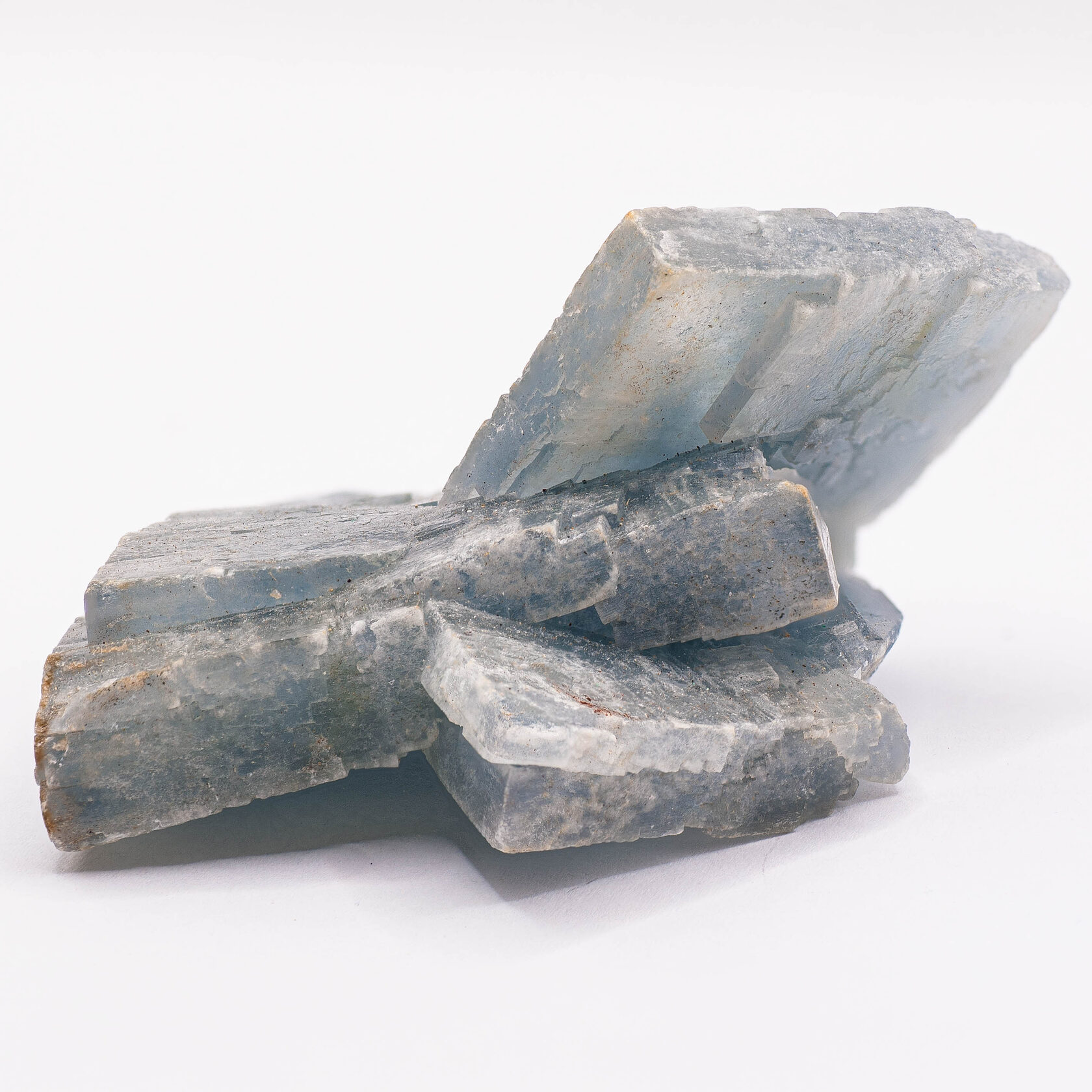
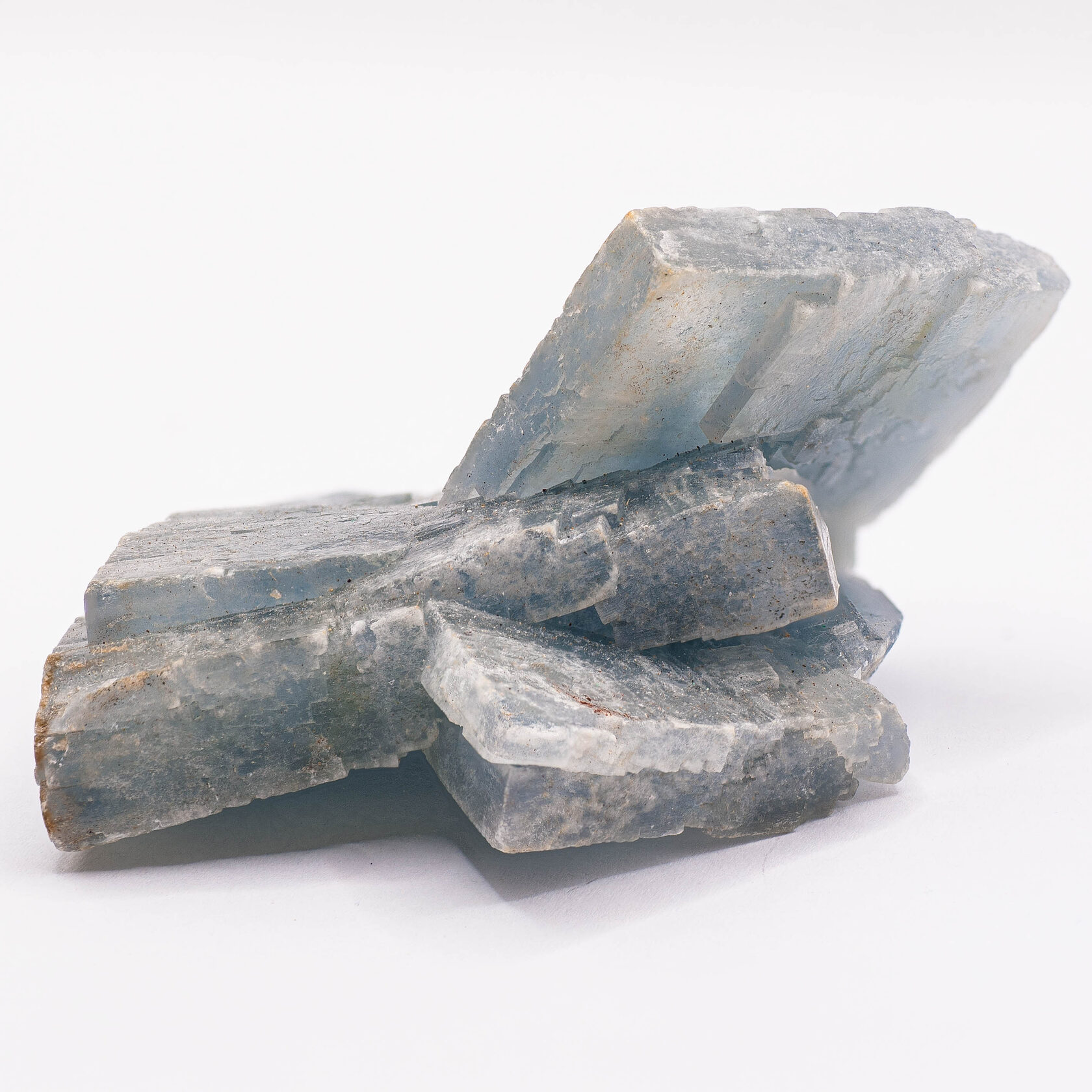
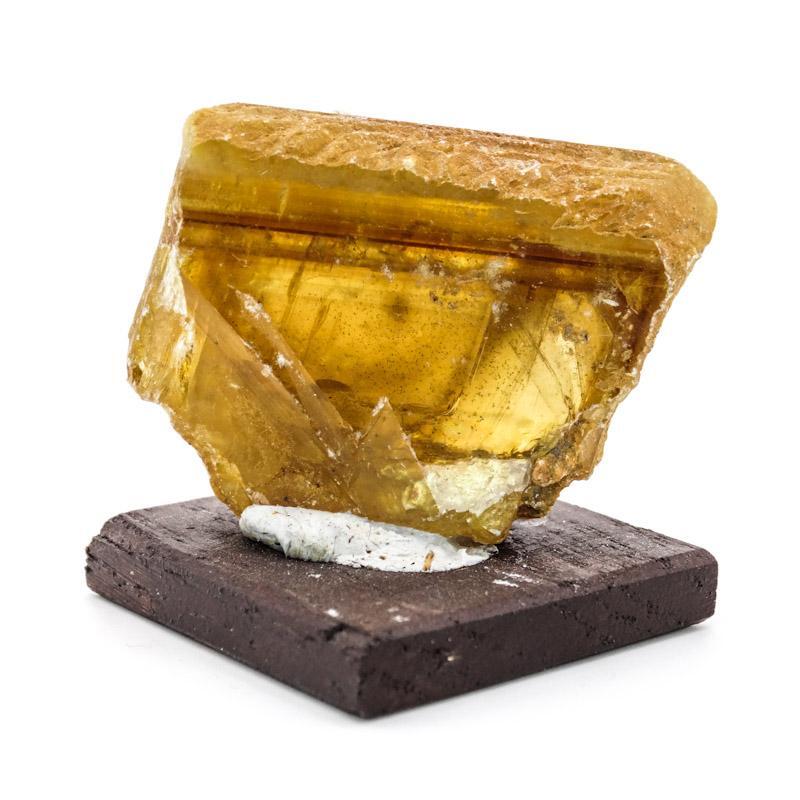
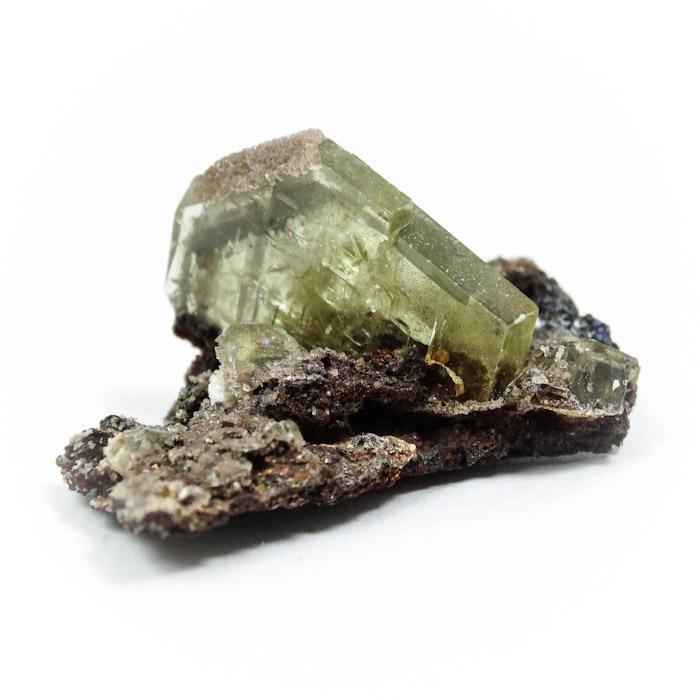
Pure barite is white or colorless and transparent. However, impurities can tint the crystals yellow, blue, green, or even red.
- Luster: vitreous
- Transparency: transparent to translucent
- Cleavage: perfect
- Fracture: brittle
- Hardness: 3–3.5 on Mohs scale
- Density: 4.3–4.7 g/cm³
Crystal Habits and Aggregates
Barite commonly forms tabular crystals, but prismatic, acicular (needle-like), and columnar forms are also found. Aggregates include:
- spherical and radiating (radial-fibrous) groups
- dense massive forms
- spectacular intergrowths of tabular crystals known as “barite roses”
- These aesthetic habits make barite a highly desirable collectible mineral.
Occurrence and Major Deposits
Barite is widespread and forms large deposits. It is primarily a hydrothermal mineral, often associated with gypsum. Resistant to weathering, it is sometimes concentrated in placers.
Important deposits are located in:
Important deposits are located in:
- North America – USA (Nevada, Missouri, Colorado), Mexico, Canada, Brazil
- Europe – Spain, Ireland, Russia (Krasnodar, Urals, Siberia, Transbaikalia, North Caucasus)
- Africa – Algeria, Morocco
- Asia – India, China, Pakistan
Industrial Applications
Barite has extensive practical uses:
- As a weighting agent in drilling fluids for the oil and gas industry
- As radiation shielding in medical and industrial equipment
- In the chemical industry for coatings and insulation
- As a source of white pigment for paints
- In optical instruments (transparent crystals)
Collectible and Decorative Value
Aesthetic barite specimens are prized in mineral collections and sometimes used in jewelry. Collectors especially value:
- Transparent and blue crystals
- Golden “honey” barite on matrix
- Barite roses
- Combinations with galena, fluorite, and sphalerite
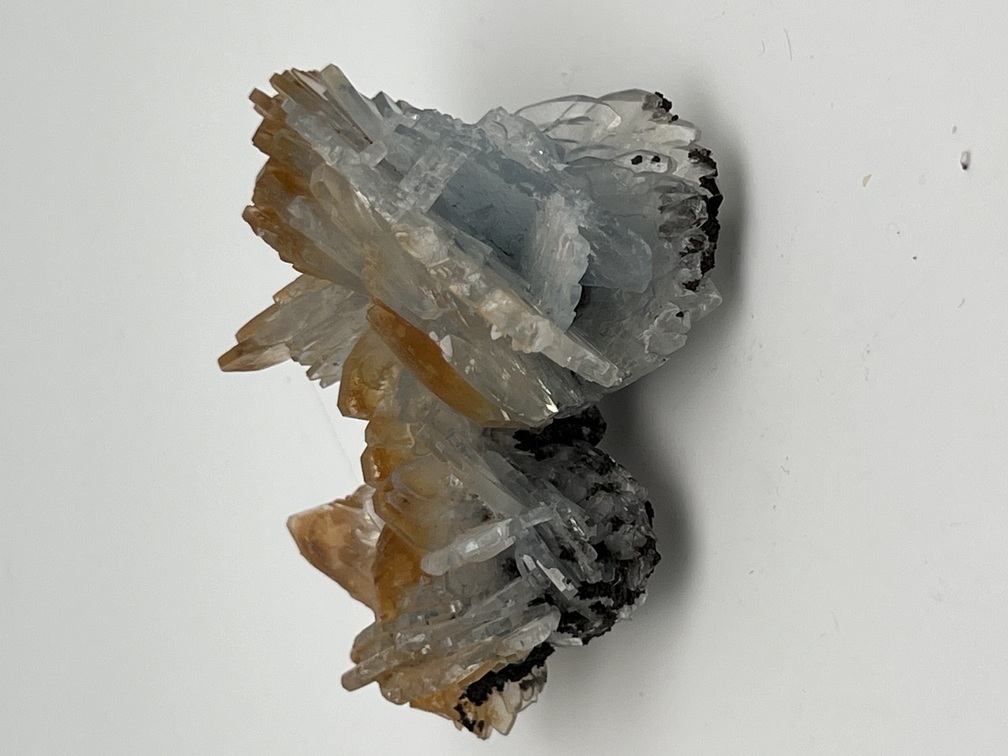
Collect Barite with NotOnlyRocks
Looking for authentic barite specimens for your collection? At NotOnlyRocks.com you will find a curated selection of barite crystals from Morocco, Spain, China, USA, and Bulgaria. Each specimen is unique – from transparent tabular crystals to golden honey-yellow clusters and rare “barite roses.”
Explore our Barite Collection here »
Explore our Barite Collection here »
